Pengembangan Umkm Budidaya Okra Dan Cacing Anc Berbasis Lokal Dalam Mendorong Kemandirian Ekonomi Keluarga
DOI:
https://doi.org/10.63889/bijce.v1i2.338Keywords:
Okra cultivation, ANC worms, local agribusiness, independence, family economyAbstract
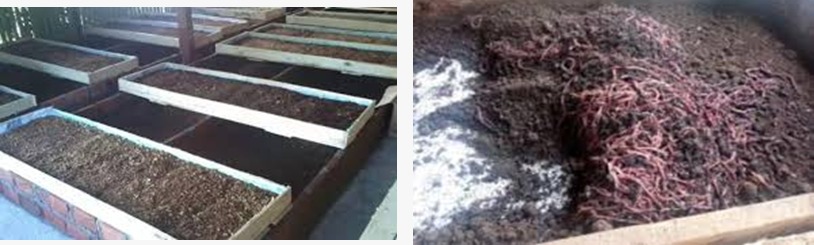
This study aims to examine first-hand how locally-based businesses, such as okra cultivation and African Night Crawler (ANC) worms, can be a driver of family economic independence in rural areas. This study was carried out through a field visit to Mrs. Aslami in Duwet Hamlet and Mr. Fahri's ANC worm cultivation site in Gedebeg Hamlet. The results of the observation show that the two businesses make optimal use of local resources with a simple but effective technical approach. Okra cultivation makes a real contribution in terms of food security and diversification of horticultural farming businesses, while ANC worm cultivation shows high potential as a provider of environmentally friendly high-protein animal feed. In addition to increasing family income, these efforts also encourage the realization of an independent, innovative, and environmentally conscious mindset among the village community, including students involved in field activities. This research confirms that the development of local agribusiness is not only an economic effort, but also an important part of social empowerment and strengthening the sustainable business ecosystem at the family level.